

 Business License
Blog Categories

QC Inspection Checklist for Wire Mesh Welding Machines Before Shipment
A while back, a buyer in Africa took delivery of a welded wire mesh machine and discovered on installation day that the transformer was wired for the wrong voltage, the PLC program had not been loaded, and two electrode arms were bent from rough handling. The supplier's response was to send replacement parts by sea, adding two months to an already-delayed project. The entire problem could have been caught in a two-hour pre-shipment inspection — but the buyer had paid the balance before any functional testing was done, leaving no leverage for correction.
A pre-shipment inspection is the buyer's last opportunity to verify that a welded wire mesh machine actually performs as quoted before it is packed and shipped across borders. This article provides a structured checklist covering documentation, electrical and mechanical systems, welding components, control software, functional testing, sample panels, and packaging — with the pass/fail criteria inspectors use in practice.
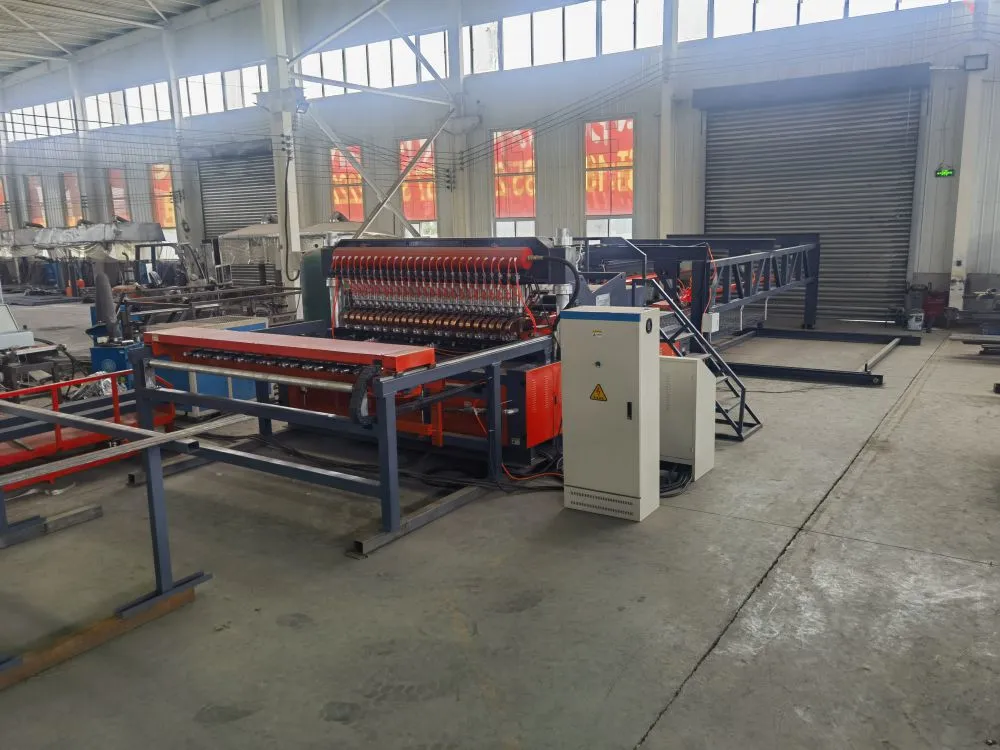
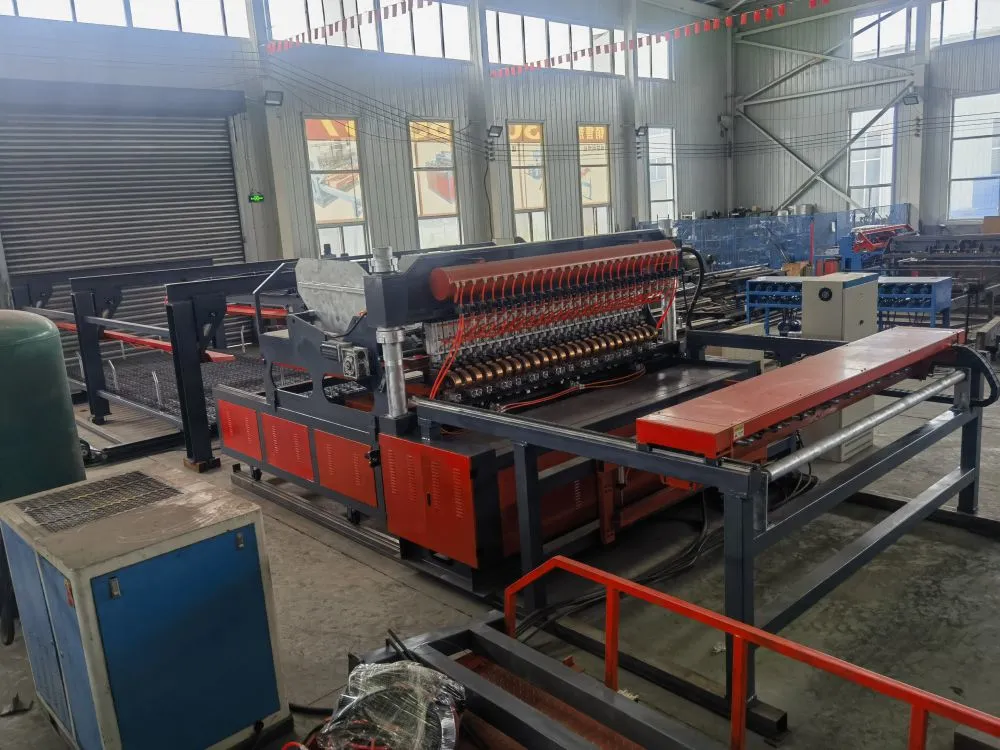
1. Why a Pre-Shipment Inspection Matters for a Welded Wire Mesh Machine
An inspection shifts the risk of defects from the buyer to the seller. Once a welded wire mesh machine is containerized and on the water, correcting a defect costs weeks of waiting and thousands of dollars in freight, customs, and downtime. Inspection before shipment compels the supplier to fix problems while the equipment is still in the factory, where repairs are fast and cheap.
Inspection also creates a documented baseline for the welded wire mesh machine. The inspection report records serial numbers, test results, and agreed parameter settings — useful reference material for installation, commissioning, and later warranty claims. Most experienced buyers treat the report as part of the machine documentation, alongside the manual and spare parts list.
Timing matters. The ideal inspection window is after the welded wire mesh machine's own factory acceptance test but before final painting and crating, so that any corrective work is visible and re-testing is possible. Buyers should reserve inspection for the week the machine is declared ready, not earlier in the production cycle when changes are still pending.
2. Documentation Review: First Step in Welded Wire Mesh Machine Inspection
The inspection of a welded wire mesh machine begins with paperwork, not machinery. Reviewing documents first establishes what the machine should be and prevents wasted effort testing against the wrong specification.
| Document | What to Verify |
|---|---|
| Commercial invoice and packing list | Model, voltage, phase, and accessories match the order |
| Wiring diagram | Updated to the machine's actual configuration |
| PLC program backup | Loaded on the controller and stored on a memory card |
| Operation manual | Language matches the buyer's requirement, includes wiring and maintenance sections |
| Spare parts list | All promised consumables present and inventoried |
| Factory test certificate | Issued with signatures and dates, matching the machine serial number |
| CE or other compliance documents | Valid certificates if the destination market requires them |
Mismatches at this stage are common and revealing. A welded wire mesh machine ordered with a 380 V three-phase supply that arrives with 220 V documentation suggests a documentation error at best and a configuration error at worst. Any discrepancy should be resolved — in writing — before functional testing begins.
3. Electrical System Inspection on a Welded Wire Mesh Machine
Electrical faults cause a large share of commissioning delays, so the electrical system deserves systematic checking. The inspection of a welded wire mesh machine starts at the incoming supply and works through the control cabinet to the welding transformer.
Verify the welded wire mesh machine's transformer rating and tap settings against the order: kVA rating, primary voltage, and phase configuration must match. Check the control cabinet for correct breaker sizing, tightened terminal connections, and clear labeling of circuits. Confirm that cooling fans for the transformer and control cabinet operate, since sustained welding generates substantial heat.
Measure insulation resistance on the welding circuit of the welded wire mesh machine with a megohmmeter — readings below roughly 1 megohm warrant investigation. Check that all safety interlocks function: emergency stop, door interlock on the control cabinet, and overload protection on the drive motors. On a welded wire mesh machine with servo-driven feeding, confirm servo parameters are stored and that homing runs complete without error.
4. Mechanical Inspection of a Welded Wire Mesh Machine: Frames, Guides, and Indexing
The mechanical inspection of a welded wire mesh machine covers everything that moves the wire and positions the electrodes. Frame straightness, guide alignment, and indexing accuracy determine whether the machine can hold the tolerances it claims.
Check the welded wire mesh machine's main frame for welding quality, paint coverage, and any signs of stress cracking at load-bearing joints. Verify that longitudinal guide channels are parallel and that spacing across the full panel width is within the quoted tolerance — typically ±1 mm on a new machine. Test the indexing mechanism by jogging it through several cycles and measuring incremental advance against the controller's set value.
Inspect the transverse wire feeder on the welded wire mesh machine for smooth operation and consistent push force. Check decoiler stands for stable rotation and working brakes, and straightening units for roller condition and gap alignment. On a new welded wire mesh machine, any binding, unusual noise, or excessive play in these mechanisms is a defect, not a break-in characteristic.
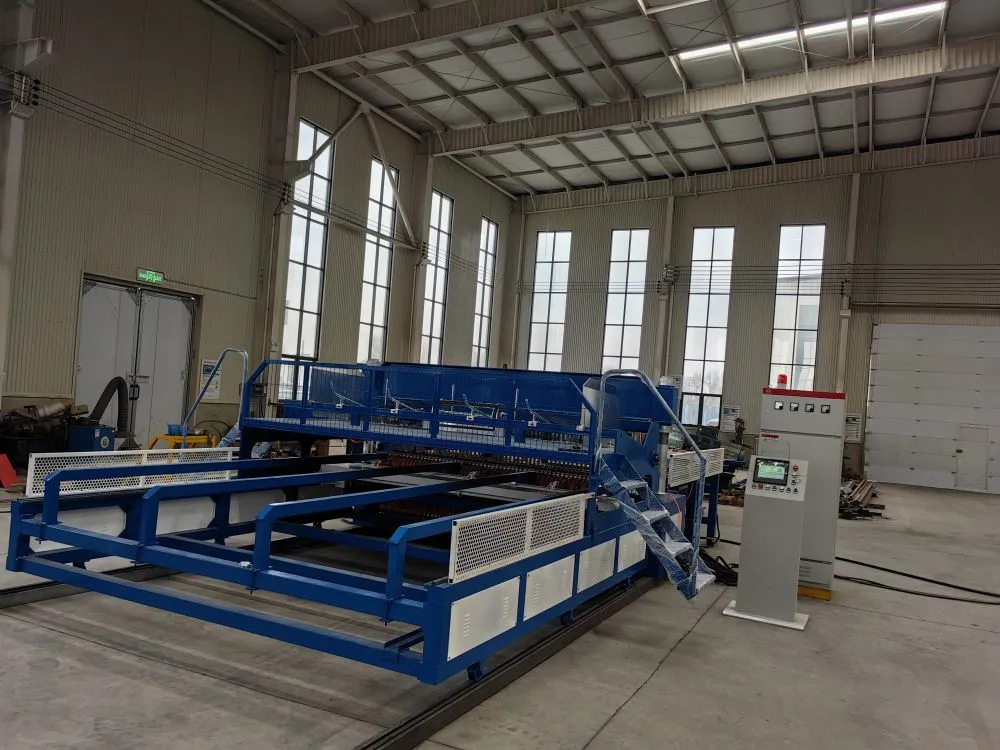
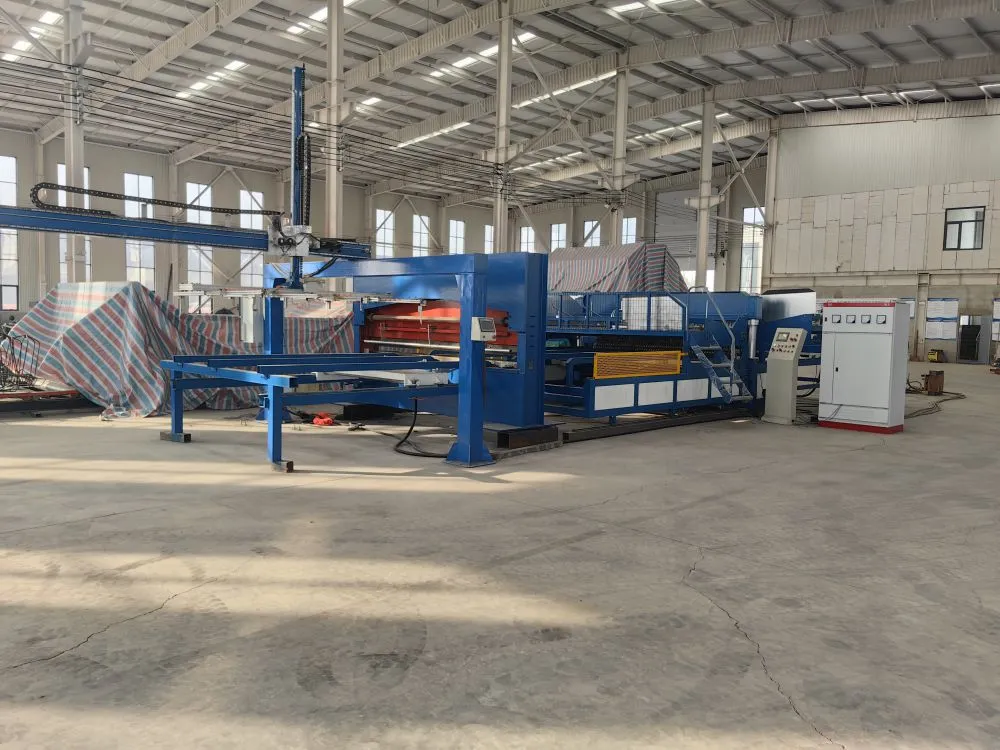
5. Welding System Inspection on a Welded Wire Mesh Machine: Transformer and Electrodes
The welding system is where a welded wire mesh machine creates its value, and where quality problems are most expensive to correct after shipment. Inspect the transformer, secondary circuit, and electrode assemblies in detail.
Examine the secondary busbars and connections on the welded wire mesh machine for clean, tight contacts — high-resistance joints overheat and produce inconsistent welds. Verify electrode tip material is copper-chrome alloy as specified, and that tip faces are dressed and aligned in pairs. Check electrode arm alignment across the full width: misaligned electrodes produce skew welds that fail shear testing.
Test the cooling system of the welded wire mesh machine for the electrode heads and transformer: flow, pressure, and leak-free connections. Confirm weld current adjustment works across the full range by welding test joints at low, medium, and high settings. On a machine with multiple electrode groups, cycle each group individually to confirm every pair fires — a fault that is nearly invisible until full-width production begins.
6. Control System and PLC Testing on a Welded Wire Mesh Machine
The PLC is the brain of a modern welded wire mesh machine, and its verification should be methodical. Most control faults surface only when specific functions are exercised, so the test routine must cover each mode of operation.
Verify the welded wire mesh machine's touchscreen or control panel displays in the buyer's language and that all recipe slots can be saved and recalled. Test manual mode for each axis: longitudinal feed, transverse feed, welding, indexing, and cutting. Test automatic mode on a short run, confirming that the machine completes the full weld-and-index cycle without manual intervention and stops correctly at the programmed panel length.
Check the welded wire mesh machine's fault diagnostics: trigger each safety device and confirm the controller records and displays the fault correctly. Confirm that the machine returns to a defined safe state after each fault. Finally, back up the PLC program to a USB drive or memory card in front of the inspector, and keep a second copy with the shipping documentation.
7. Functional Run Test: The Core of Welded Wire Mesh Machine Inspection
The functional run test is the heart of welded wire mesh machine inspection — the machine must produce mesh continuously under conditions close to real production. This is the test that catches the defects that static checks cannot.
Run the welded wire mesh machine at full operating speed on the buyer's specified wire grade and mesh pitch for a minimum of one continuous hour. Record cycle count, weld current readings, and any fault events. Measure output against the quoted rate: production within 85% to 100% of the rated figure is acceptable; below 85% indicates a problem that must be resolved before shipment.
Monitor temperature rise on the transformer of the welded wire mesh machine and on the electrode cooling water during the run. Verify that weld quality remains consistent from the first panel to the last — cold welds appearing late in the run indicate thermal degradation in the electrical system. The inspector should personally observe the full run rather than relying on the supplier's report.
8. Sample Panel Testing and Weld Quality Verification for a Welded Wire Mesh Machine
Weld quality of a welded wire mesh machine is verified by destructive testing on sample panels produced during the run test. The results form the acceptance data for the shipment.
Cut sample joints from different positions on the welded wire mesh machine's test panels — corners, center, and edges — and bend them 90 degrees back and forth. Quality welds survive five or more bends without fracture. For construction-grade mesh, perform shear tests: apply force until the weld fails and record the value against the target standard, typically 50% or more of the wire's tensile strength. Pitch and panel dimensions should be measured and recorded on the same samples.
Document every result in the inspection report with photographs of the welded wire mesh machine and its test panels. A welded wire mesh machine that passes destructive testing at the factory will almost certainly pass acceptance testing at the buyer's facility, which shortens commissioning and protects both parties. Jinlongyu Trading includes a weld shear test demonstration in its standard pre-shipment inspection and provides the test data with the machine documentation.
9. Packaging and Shipping Checks for a Welded Wire Mesh Machine
The final section of the inspection covers packaging, marking, and shipping preparation — the stage where welded wire mesh machine shipments suffer most of their transport damage.
Verify the welded wire mesh machine is bolted to a skid or base frame that can be lifted with forklift or crane, with lifting points clearly marked. Check that the PLC cabinet, transformer, and electrode assemblies are protected against shock and moisture, typically with internal bracing and desiccant. Confirm that all loose parts — spare electrodes, tools, manuals — are packed separately and listed on the packing list.
Check the container loading plan: the welded wire mesh machine's weight distribution, the position of the skid inside the container, and lashing points. Confirm exterior marking of the machine's dimensions, weight, and handling symbols. Before the container seals, photograph the loaded machine from all sides as a record for insurance claims if damage occurs in transit. Hebei Jinlongyu Import And Export Trade Co., Ltd. follows a written packing standard for every welded wire mesh machine it ships, and provides loading photos to the buyer before departure.
10. Frequently Asked Questions
10.1 Who should perform the pre-shipment inspection?
Three options exist. The buyer can send their own engineer, engage a third-party inspection company, or rely on the supplier's factory test. Sending an engineer is the most thorough but costs travel time and expense.
Third-party inspectors such as SGS or Bureau Veritas are a middle ground, though their engineers may be less familiar with welding machinery specifics. Relying on the supplier's own test is acceptable only when the supplier has a documented inspection procedure and a proven track record — as is the case with Hebei Jinlongyu Import & Export Trading, which publishes its inspection checklist on request.
10.2 How long does a pre-shipment inspection take?
A complete inspection of a welded wire mesh machine typically takes one full day: half a day for documentation, electrical, mechanical, and welding system checks, and half a day for the functional run test and sample testing. Larger machines with multiple electrode groups may need a second day. The run test alone should run at least one hour at full speed, and cutting short the run to save time undermines the purpose of the inspection.
10.3 What happens if the inspection finds defects?
Defects found during welded wire mesh machine inspection fall into two categories. Minor defects — loose connections, missing labels, small alignment issues — should be corrected on the spot and re-verified before the inspection closes. Major defects — wrong transformer configuration, failed weld tests, PLC faults — mean the machine should not ship until corrected and re-tested.
The inspection report should list all findings, the corrective actions taken, and the re-test results. Buyers should hold the final payment until the report closes with all items resolved, a close-out discipline that Hebei Jinlongyu Import & Export Trading follows on every machine it ships.
10.4 Is a pre-shipment inspection required for used machines?
Inspection is even more important for used welded wire mesh machines. Used equipment carries unknown wear history, so the inspector should add checks for electrode arm wear, transformer condition, indexing backlash, and frame damage that new machines would not have. Request the previous production records and any maintenance logs, and run a longer functional test — two to three hours at full speed — to expose intermittent faults. The purchase agreement should make the inspection result a condition of sale.
Recently Posted
-
Welded Wire Mesh Machines for Construction Rebar Cages: Applications in Building and Infrastructure
September 4, 2026A few years ago, a contractor on a highway overpass project in Southeast Asia discovered that hand-tied reinforcement cages were c Read More
 -
Automation Trends in Wire Mesh Welding: From Manual Feeding to Fully Integrated Lines
September 4, 2026A few years ago, a mid-size mesh factory in Eastern Europe employed twelve operators across three shifts to run two manual-threadi Read More
 -
Fully Automatic vs Semi-Automatic Welded Wire Mesh Machine: Output, Labor, and Cost Comparison
September 3, 2026Not long ago, a mesh producer in Southeast Asia doubled his factory floor but kept the same two semi-automatic welded wire mesh ma Read More
 -
What Is a Welded Wire Mesh Machine: Types and How It Works
September 2, 2026Some time ago, a construction materials distributor in the Middle East ordered 2,000 welded mesh panels from a supplier that had n Read More

Contact Us
Recommended Products
-
 Welded Wire Panel Machine for Industrial Shelf and Partition ManufacturingNegotiableMOQ: 1 Set
 -
CNC Servo Straightening and Cutting Machine for Steel, Iron, and Stainless Steel WireNegotiableMOQ: 1 Set
-
Professional Steel Panel Welded Wire Mesh Reinforcing Mesh Production LineNegotiableMOQ: 1 Set
-
Automatic Roll Welded Wire Mesh Welding Machine for Panel and Roll MeshNegotiableMOQ: 1 Set
-
Stainless Steel Welded Wire Mesh Machine for Fencing ProductionNegotiableMOQ: 1 Set
-
Full Automatic PLC Control 5-12mm Wire Mesh Fence Welding EquipmentNegotiableMOQ: 1 Set
-
PLC Controlled Fully Automatic Chain Link Fence Machine for High-Speed ProductionNegotiableMOQ: 1 Set
-
Automatic Mechanical Steel Wire Straightening and Cutting Machine for Industrial UseNegotiableMOQ: 1 Set
-
Factory Price Galvanized Steel Wire Mesh Welding Machine Automatic Welded Mesh MachineNegotiableMOQ: 1 Set
-
Razor Barbed Wire Making Machine/Razor Wire Fence for ProtectionNegotiableMOQ: 1 Set
-
Durable Industrial Welded Mesh Machine for Construction Fence ManufacturingNegotiableMOQ: 1 Set
-
Fence Welding Machine Bangladesh 4-Head Spot Welder 0.8-3mm Steel Wire 20KVANegotiableMOQ: 1 Unit
-
Reliable Bangladesh Fence Welding Machine Factory Direct Support Free Spare Parts KitNegotiableMOQ: 1 Unit
-
For Bangladesh Construction Site Fence Welding Machine Heavy Duty Steel Frame 12 Months WarrantyNegotiableMOQ: 1 Unit
-
Bangladesh Farm Fence Welding Machine Durable for Outdoor Perimeter Fencing 1 Year ServiceNegotiableMOQ: 1 Unit
-
Bangladesh Fence Panel Welder 2000x3000mm Capacity 30-50 Welds/Minute 380VNegotiableMOQ: 1 Unit
-
220V Semi-Auto Fence Welder for Bangladesh 2-6mm Wire Diameter PLC ControlNegotiableMOQ: 1 Unit
-
Bangladesh Fence Welding Machine 380V 3-Phase Automatic Wire Feeder 50-100 M/Min SpeedNegotiableMOQ: 1 Unit
-
Bangladesh Fence Mesh Welding Machine 1500mm Width Servo Motor Driven 60HzNegotiableMOQ: 1 Unit
-
Bangladesh Fence Welder With 2-Year Warranty On-Site Training Available 220V/380VNegotiableMOQ: 1 Unit

