

 Business License

Hebei Jinlongyu: Full-Category Wire Mesh Machinery from China's Hebei Manufacturing Hub
When a buyer searches for wire mesh machinery suppliers in China, the search results are dominated by companies clustered in one province: Hebei. Within Hebei, the city of Hengshui — and specifically the surrounding towns like Shenzhou and Anping — has been the center of wire mesh and wire mesh machinery production for decades. The supply chain density in this region means that a manufacturer based here has access to steel mills, foundries, CNC machining shops, and heat treatment facilities within a 50-kilometer radius — an infrastructure advantage that translates directly into shorter lead times and more competitive pricing for international buyers.
Hebei Jinlongyu Import And Export Trade Co., Ltd. operates from this manufacturing cluster in Shenzhou City, Hengshui. With an 8,000+ square meter facility integrating R&D, production, and sales, the company produces a comprehensive range of wire mesh machinery that covers nearly every category of mesh product in demand globally: from razor wire and chain link fencing to rebar mesh, welded panels, and steel grating. This article provides an overview of the company's product range, manufacturing capabilities, quality systems, and the logistics infrastructure that supports its export operations.
1. The Product Range: From Razor Wire Machines to Rebar Mesh Welding Lines
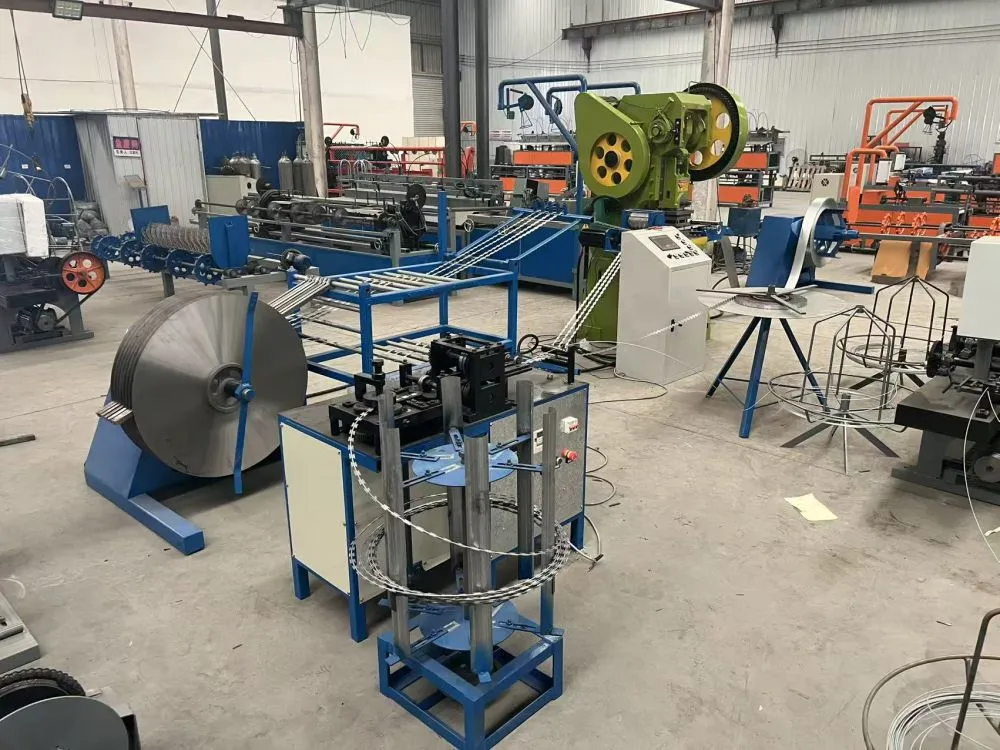
One of the practical challenges international buyers face when sourcing wire mesh machinery from China is fragmentation. One factory builds razor wire machines, another builds chain link fence machines, and a third handles welded mesh — forcing buyers to manage multiple suppliers, multiple quality standards, and multiple shipping arrangements. Hebei Jinlongyu Import & Export Trading addresses this by maintaining a product line that spans the full spectrum of wire mesh production equipment.
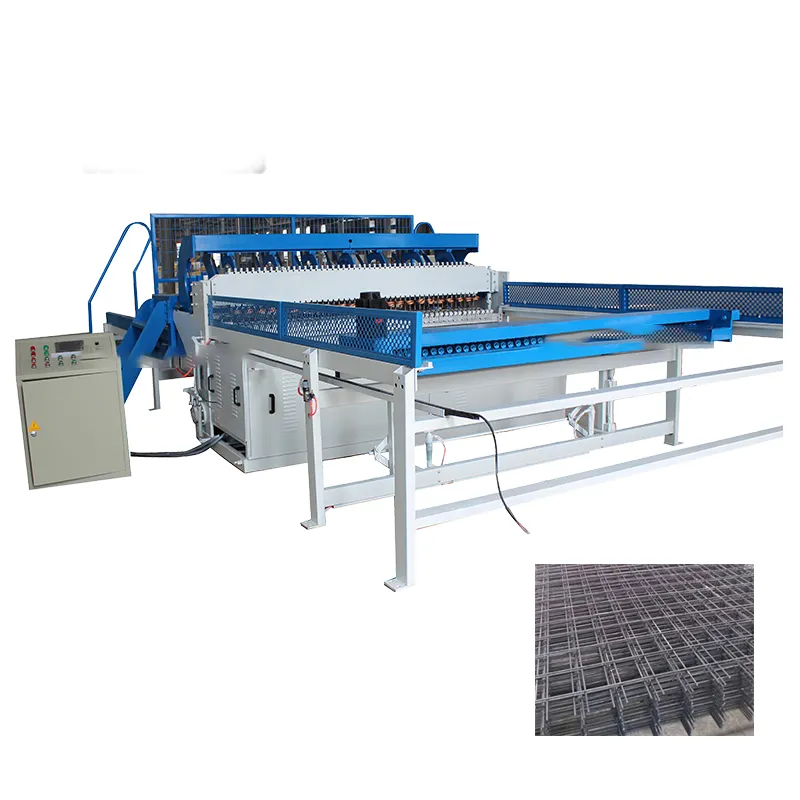
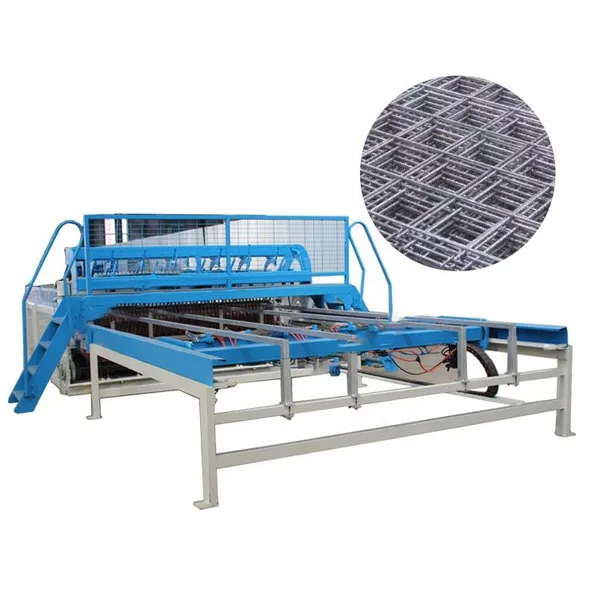
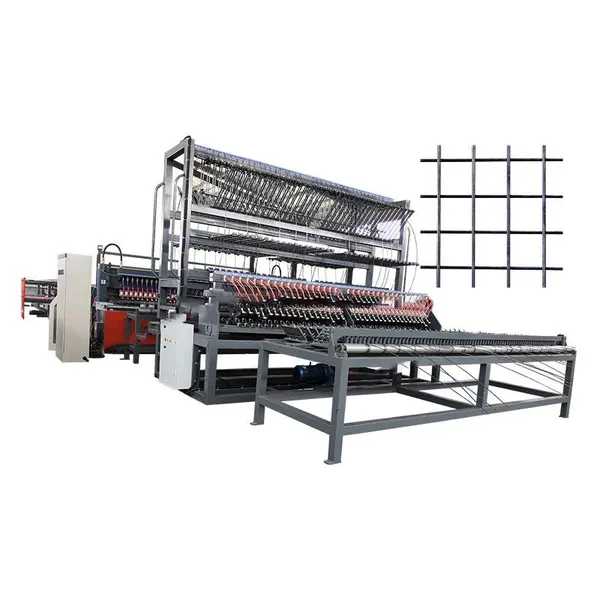
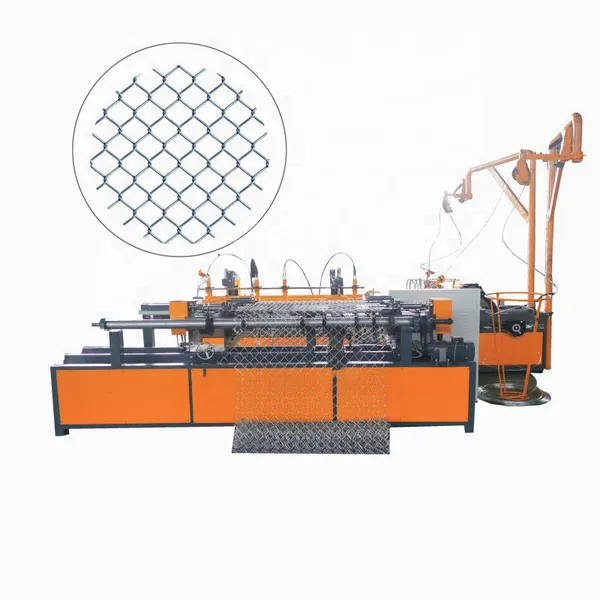
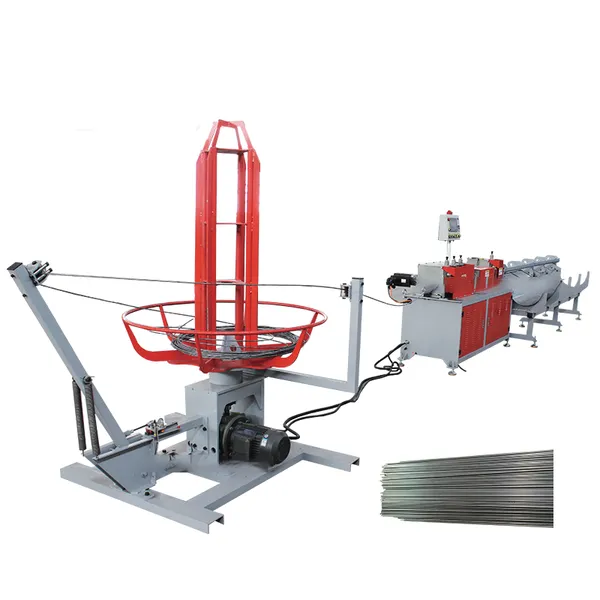
The core product categories include razor wire machines for concertina and flat-wrap production, steel grating welding machines for industrial platform and trench cover grating, chain link fence machines in single-wire and double-wire configurations, and welded wire mesh machines ranging from manual threading models to fully automatic coil-fed lines. Supporting equipment — wire straightening and cutting machines, cold-rolled ribbed bar production lines, grassland fence machines, and expanded metal mesh machines — rounds out the catalog.
The table below summarizes the main machine categories and their typical output ranges.
| Machine Category | Key Specifications | Typical Output |
|---|---|---|
| Razor Wire Machine | Core wire 2.5–3.0 mm, blade strip 0.5–0.7 mm, CBT-65 / BTO-22 profiles | 8–40 coils per 8-hr shift |
| Steel Grating Welding Machine | Bearing bar pitch 20–100 mm, cross bar spacing 50–200 mm | Roughly 30–80 panels per shift |
| Chain Link Fence Machine | Wire 2.0–5.0 mm, mesh opening 25–100 mm, single/double wire | Roughly 200–600 sqm per shift |
| Welded Wire Mesh Machine | Wire 3–12 mm, panel width up to 2.5 m, manual/automatic feed | 150–1,000 panels per shift |
| Rebar Mesh Welding Machine | Mechanical or pneumatic actuation, 6–16 mm rebar | Roughly 200–900 panels per shift |
| Wire Straightening & Cutting | Wire 2–12 mm, servo or mechanical, cut length 100–9,000 mm | Roughly 30–80 m/min |
For buyers with specialized requirements — non-standard mesh sizes, unusual wire diameter combinations, or integration with existing production lines — Jinlongyu Trading offers custom machine configurations. Engineering modifications are developed in-house, reducing the lead time and communication friction that typically accompanies custom machine orders routed through trading intermediaries.
2. Factory Infrastructure and Manufacturing Capability
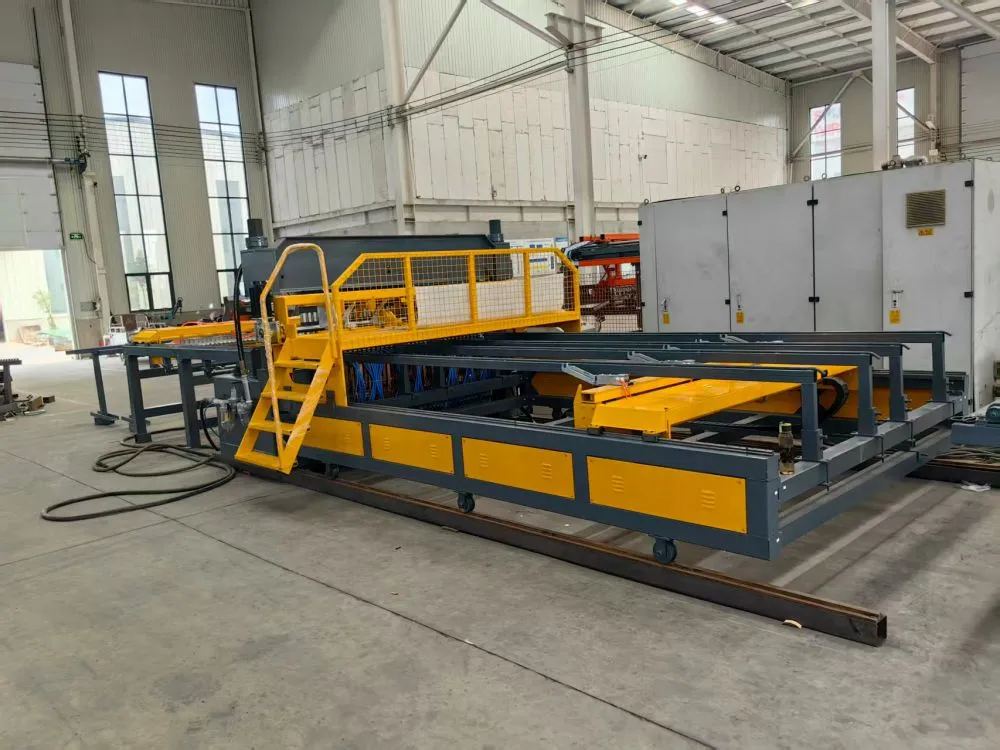
The company's facility in Shenzhou covers over 8,000 square meters and houses the complete manufacturing workflow under one roof: raw material receiving and inspection, machining and fabrication, assembly and commissioning, and finished machine testing. Housing all production stages in a single facility means quality accountability is centralized — the assembly team works a few meters from the machining team, and any component that does not meet specification is flagged and corrected before it reaches the next production stage.
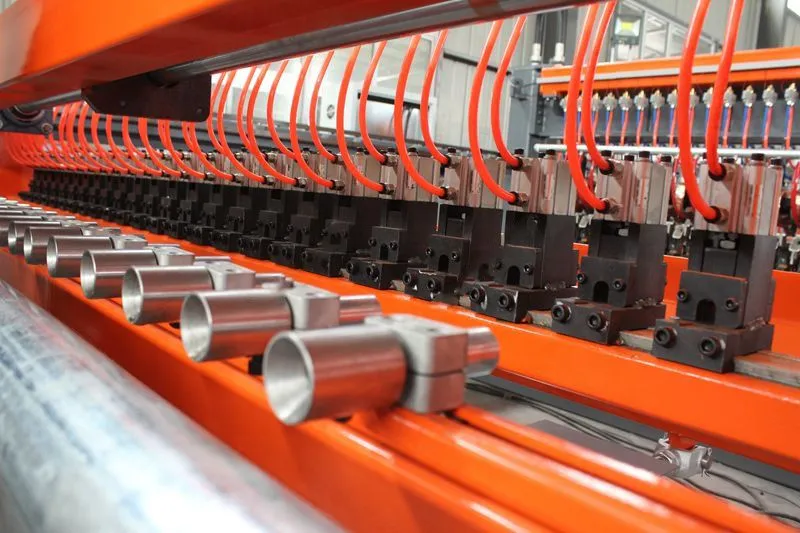
Key in-house capabilities include CNC machining for precision components like cam profiles, electrode holders, and die sets; welding fabrication for machine frames and structural components; and electrical panel assembly for PLC control systems. Heat treatment and surface grinding for high-wear components like stamping dies and feed rollers are performed by specialized partner facilities within the Hengshui industrial zone, typically within a 30-kilometer radius of the factory. This proximity allows Jinlongyu Import & Export Trading to maintain quality oversight on outsourced processes without the delays of long-distance logistics.
3. Engineering and Custom Machine Development
Standard-configuration machines cover roughly 70% to 80% of typical buyer requirements. The remaining 20% to 30% — non-standard mesh sizes, unusual material grades, or integration with existing factory automation — requires engineering support that many trading companies cannot provide. As a manufacturer with in-house R&D capability, Hebei Jinlongyu Import And Export Trade Co., Ltd. can develop custom machine configurations based on buyer specifications.
The engineering team typically delivers a custom configuration proposal within 5 to 7 working days of receiving detailed requirements. This proposal includes mechanical layout drawings, electrical schematics, and a bill of materials specifying key component brands — transformers, PLC controllers, pneumatic cylinders, and servo motors. Buyers can review and approve each component selection before production begins, a level of transparency that reduces the risk of receiving a machine built with substituted or downgraded parts.
Custom machine development follows a defined process: specification review and technical proposal, component procurement and machining, frame fabrication and assembly, dry-run testing without material, and finally full-load testing with the buyer's specified wire grade and diameter. The entire custom build cycle typically takes 45 to 75 days from order confirmation to factory acceptance testing, depending on complexity.
4. Quality Control: Testing Every Machine Before Shipment
Quality control on wire mesh machinery cannot rely on final inspection alone — defects introduced at the machining or assembly stage are expensive to correct once the machine is fully built. The company's QC process spans four checkpoints: incoming material inspection, in-process dimensional checks during machining, pre-assembly component testing, and full-load factory acceptance testing before crating.
Every welded wire mesh machine and rebar mesh welding machine undergoes a production test run producing at least 50 to 100 panels before shipment. Razor wire machines run a minimum of 20 coils of output during testing. During these tests, operators measure electrode force at each position with a calibrated load cell, verify pitch consistency with a go/no-go gauge, and perform pull-testing on sample welds to confirm strength. Machines that do not meet specification during factory testing are not shipped — they are reworked and retested until they pass.
Testing documentation — including test run parameters, electrode force measurements, and weld strength data — is compiled into a machine-specific quality record that ships with the machine. This documentation serves as both a baseline for commissioning at the buyer's facility and a reference for troubleshooting if issues arise during the warranty period.
5. Material Sourcing and the Hebei Supply Chain Advantage
The quality of a wire mesh machine depends as much on its raw materials as on its engineering. Machine frames built from 20 mm to 30 mm thick structural steel plate, properly stress-relieved after welding, maintain electrode alignment through years of production. Frames built from thinner plate with less rigorous fabrication standards begin showing alignment drift within the first year.
Operating from Hengshui, Hebei — one of China's largest steel-producing provinces — gives Hebei Jinlongyu Import & Export Trading direct access to steel mills and steel service centers that supply structural plate, tool steel for dies and camshafts, and bar stock for machined components. The supply chain density reduces both material cost and lead time. Standard steel grades used in the company's machines include Q235B and Q345B structural steel for frames, 45# carbon steel for shafts and mechanical components, and Cr12MoV or D2 tool steel for high-wear die applications.
This material access, combined with the concentration of CNC machining and heat treatment capacity within the Hengshui industrial zone, allows the company to maintain component quality without the cost premiums that would apply if these services were sourced from distant provinces.
6. Export Logistics and Tianjin Port Access
All wire mesh machinery exported by Hebei Jinlongyu Import And Export Trade Co., Ltd. ships through Tianjin Port, located roughly 300 kilometers from the factory. Tianjin is one of China's top container ports by volume, with regular sailings to Southeast Asia, the Middle East, Africa, South America, and Europe. The relatively short inland transport distance from Hengshui to Tianjin keeps domestic freight costs manageable and reduces the risk of transit damage compared to factories located in inland provinces that must move machinery 800 to 1,200 kilometers to reach a port.
Machines are packed for export in plywood crates with moisture-barrier lining and desiccant packs. Electrical panels and control cabinets are wrapped separately and secured with shock-absorbing mounts. Large machines that exceed the dimensions of a standard container — fully automatic welded mesh production lines, for example — are disassembled into sub-assemblies for container loading and reassembled at the buyer's facility with the support of the company's commissioning team or through detailed assembly documentation.
The company's main export markets span South America, Southeast Asia, Africa, Oceania, the Middle East, and Europe. Having shipped to this breadth of destinations, our team is familiar with the documentation requirements, voltage and frequency standards, and local compliance norms for each region.
7. Customer Support and After-Sales Commitment
Wire mesh machinery is production equipment — when it stops, the buyer's revenue stops. Jinlongyu Trading structures after-sales support around this reality. Every machine ships with a spare parts kit covering the first 6 to 12 months of expected consumable usage: electrodes, electrode holders, springs, fuses, contactors, and pneumatic seals. Standard consumable orders placed after the initial kit is depleted typically dispatch within 3 to 5 working days.
Technical support is available via video call, email, and messaging platforms during the company's business hours. For commissioning and major troubleshooting, on-site support can be arranged with advance notice — typically 7 to 14 days for visa processing and travel logistics. The standard warranty covers manufacturing defects for 12 months from the bill of lading date, with the welding transformer covered for 24 months.
We maintain a customer feedback system that tracks machine performance and support interactions. This data feeds back into engineering and production — if a particular component shows higher-than-expected wear rates across multiple customers, the engineering team investigates the root cause and implements a design or material change. This closed-loop approach means machines shipped today incorporate lessons learned from machines shipped two years ago.
8. Frequently Asked Questions
8.1 How long does it take to receive a wire mesh machine after placing an order?
Standard-configuration machines typically ship within 30 to 45 days from order confirmation. Custom-configured machines require 45 to 75 days. Sea freight transit time depends on destination: roughly 7 to 10 days to Southeast Asia, 20 to 25 days to the Middle East, 25 to 35 days to Africa and South America, and 30 to 40 days to Europe. Including production, shipping, and customs clearance, a buyer in Southeast Asia can expect delivery in roughly 45 to 60 days from order; a buyer in South America in roughly 75 to 110 days.
8.2 Can Hebei Jinlongyu provide installation and training support?
Yes, we provide comprehensive installation documentation with every machine, including foundation drawings, electrical connection diagrams, and a step-by-step commissioning checklist. Remote video support during installation is included at no additional charge. On-site installation and operator training by a company technician can be arranged — the cost depends on destination and duration, typically covering airfare, accommodation, and a daily service rate. Most buyers find that remote support combined with the detailed documentation is sufficient for standard machines; on-site support is more commonly requested for fully automatic production lines with integrated automation.
8.3 What spare parts should I keep in stock?
We recommend maintaining a minimum stock of electrodes (roughly 20 to 30 sets for a welded wire mesh machine), electrode holders (4 to 6 sets), compression springs for mechanical actuation systems (one full set), pneumatic seals for pneumatic machines (one full set), and electrical consumables including fuses, contactors, and relays (one backup set of each). The initial spare parts kit shipped with the machine covers the first 6 to 12 months of operation at typical production volumes. We can provide a customized spare parts recommendation based on your planned production volume and wire specifications.
8.4 Does the company ship single machines or only complete production lines?
We handle orders of all sizes — from single razor wire machines for a new startup to complete welded mesh production lines with integrated straightening, welding, stacking, and packaging. Single-machine orders are standard practice. The quotation, production, and shipping process is the same regardless of order size. For buyers planning phased expansion, we can configure the initial machine with provisions for future automation upgrades, such as pre-wired connections for automatic feeders or stackers that can be added later without major machine modification.
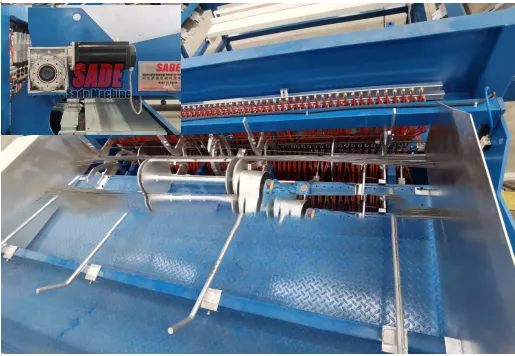
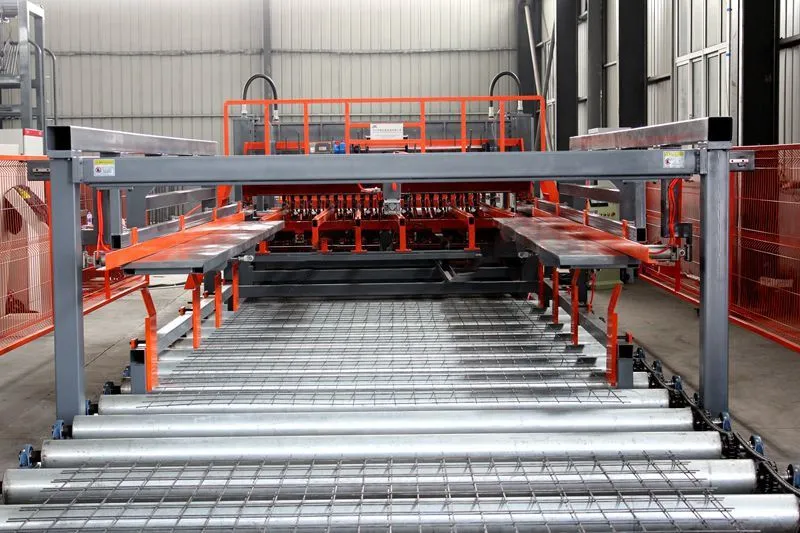
Recently Posted
-
Welded Wire Mesh Machine Specifications: Wire Diameter, Mesh Size, and Welding Speed Explained
August 12, 2026A fabrication shop in North Africa ordered a welded wire mesh machine in 2020 based on a single-page specification sheet listing &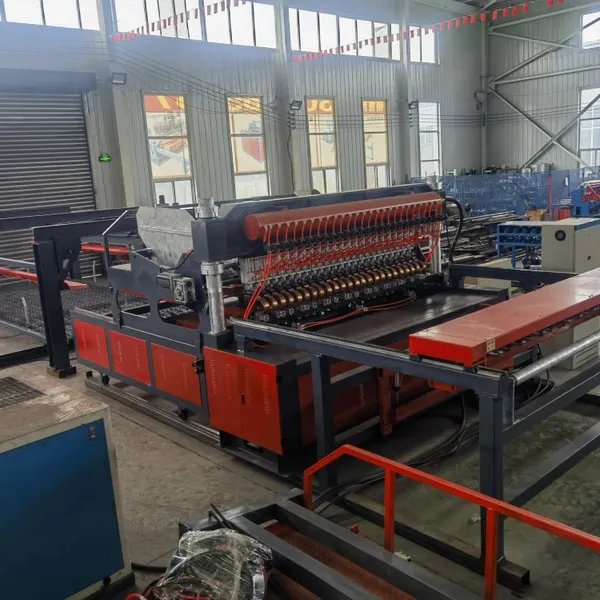 Read More
 -
How to Choose a Welded Wire Mesh Machine: 8 Factors Buyers Should Evaluate
August 11, 2026A construction materials supplier in the Middle East spent roughly $38,000 on a welded wire mesh machine in 2021. The machine was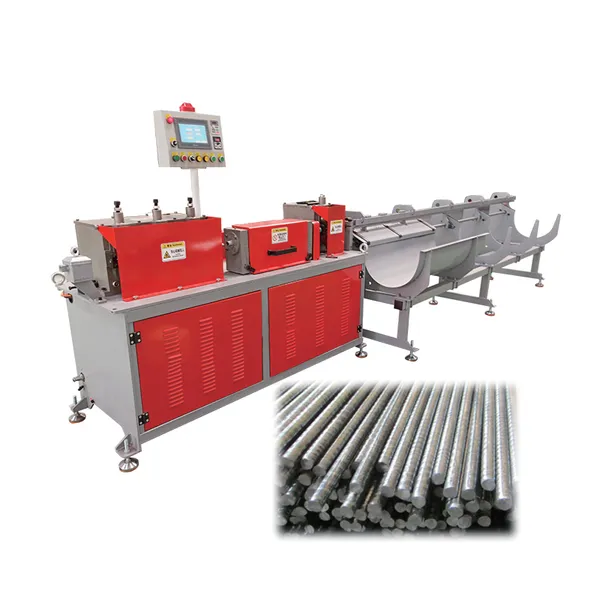 Read More
 -
Mechanical vs Pneumatic Rebar Mesh Welding Machine: Which One Fits Your Production
August 10, 2026In 2022, a rebar cage fabrication shop in Southeast Asia invested roughly $45,000 in a pneumatic rebar mesh welding machine, expec
Read More -
What Is a Razor Wire Machine: Working Principle and Key Components
August 7, 2026In 2021, a warehouse facility in Southeast Asia spent roughly $18,000 on perimeter security fencing. Within fourteen months, secti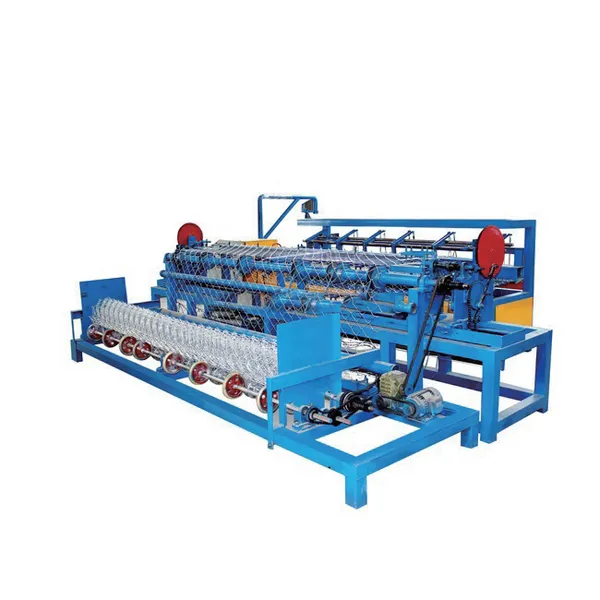 Read More

Contact Us
Recommended Products
-
 Welded Wire Panel Machine for Industrial Shelf and Partition ManufacturingNegotiableMOQ: 1 Set
 -
CNC Servo Straightening and Cutting Machine for Steel, Iron, and Stainless Steel WireNegotiableMOQ: 1 Set
-
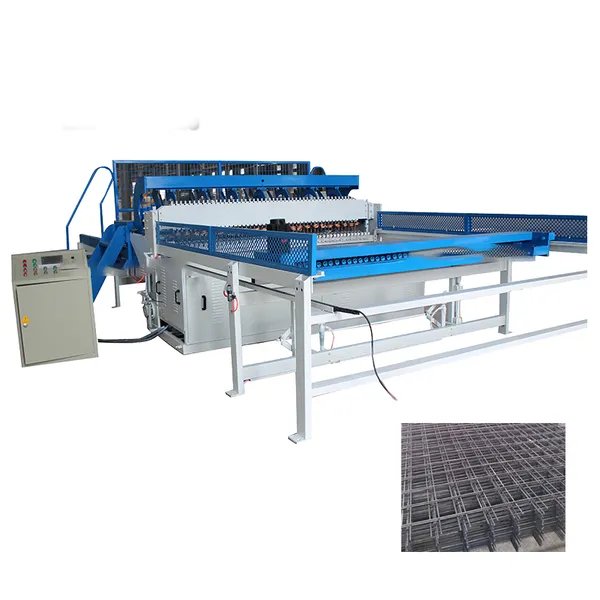
Professional Steel Panel Welded Wire Mesh Reinforcing Mesh Production LineNegotiableMOQ: 1 Set
-
Automatic Roll Welded Wire Mesh Welding Machine for Panel and Roll MeshNegotiableMOQ: 1 Set
-
Stainless Steel Welded Wire Mesh Machine for Fencing ProductionNegotiableMOQ: 1 Set
-
Full Automatic PLC Control 5-12mm Wire Mesh Fence Welding EquipmentNegotiableMOQ: 1 Set
-
PLC Controlled Fully Automatic Chain Link Fence Machine for High-Speed ProductionNegotiableMOQ: 1 Set
-
Automatic Mechanical Steel Wire Straightening and Cutting Machine for Industrial UseNegotiableMOQ: 1 Set
-
Factory Price Galvanized Steel Wire Mesh Welding Machine Automatic Welded Mesh MachineNegotiableMOQ: 1 Set
-
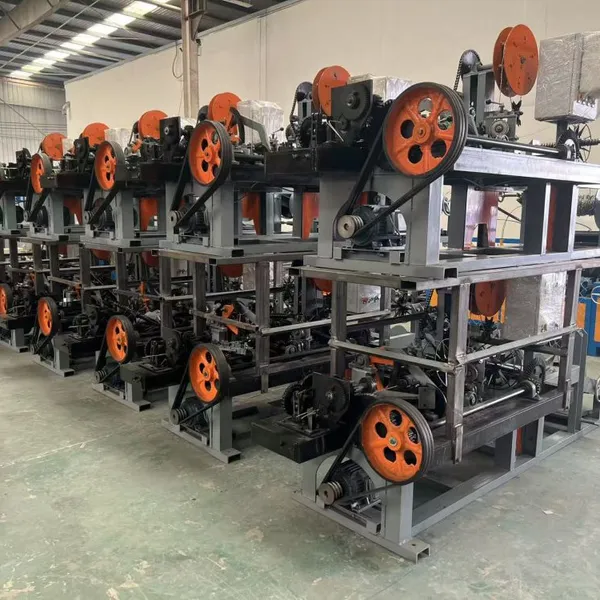
Razor Barbed Wire Making Machine/Razor Wire Fence for ProtectionNegotiableMOQ: 1 Set
-
Durable Industrial Welded Mesh Machine for Construction Fence ManufacturingNegotiableMOQ: 1 Set
-
Fence Welding Machine Bangladesh 4-Head Spot Welder 0.8-3mm Steel Wire 20KVANegotiableMOQ: 1 Unit
-
Reliable Bangladesh Fence Welding Machine Factory Direct Support Free Spare Parts KitNegotiableMOQ: 1 Unit
-
For Bangladesh Construction Site Fence Welding Machine Heavy Duty Steel Frame 12 Months WarrantyNegotiableMOQ: 1 Unit
-
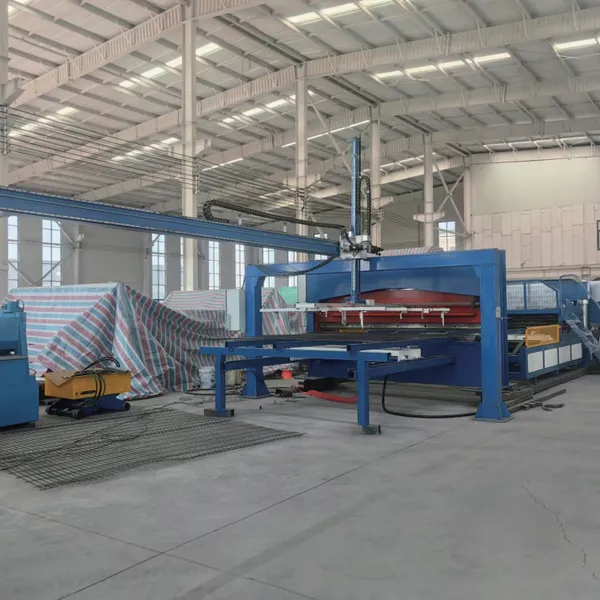
Bangladesh Farm Fence Welding Machine Durable for Outdoor Perimeter Fencing 1 Year ServiceNegotiableMOQ: 1 Unit
-
Bangladesh Fence Panel Welder 2000x3000mm Capacity 30-50 Welds/Minute 380VNegotiableMOQ: 1 Unit
-
220V Semi-Auto Fence Welder for Bangladesh 2-6mm Wire Diameter PLC ControlNegotiableMOQ: 1 Unit
-
Bangladesh Fence Welding Machine 380V 3-Phase Automatic Wire Feeder 50-100 M/Min SpeedNegotiableMOQ: 1 Unit
-
Bangladesh Fence Mesh Welding Machine 1500mm Width Servo Motor Driven 60HzNegotiableMOQ: 1 Unit
-
Bangladesh Fence Welder With 2-Year Warranty On-Site Training Available 220V/380VNegotiableMOQ: 1 Unit

