

 Business License

How to Choose a Welded Wire Mesh Machine: 8 Factors Buyers Should Evaluate
A construction materials supplier in the Middle East spent roughly $38,000 on a welded wire mesh machine in 2021. The machine was rated for 3 mm to 8 mm wire, which matched their initial order book. Eight months later, a government infrastructure tender required panels with 10 mm longitudinal bars. The machine could not deliver enough welding current at that diameter — electrode force was adequate, but the transformer was undersized. The supplier either had to pass on a $200,000 contract or buy a second welded wire mesh machine.
This scenario plays out regularly because buyers focus on price and wire diameter range while overlooking parameters that determine whether a welded wire mesh machine will still meet their needs two years after installation. The eight factors below cover the full range of technical, operational, and supplier-related criteria that separate a machine you grow into from one you outgrow.
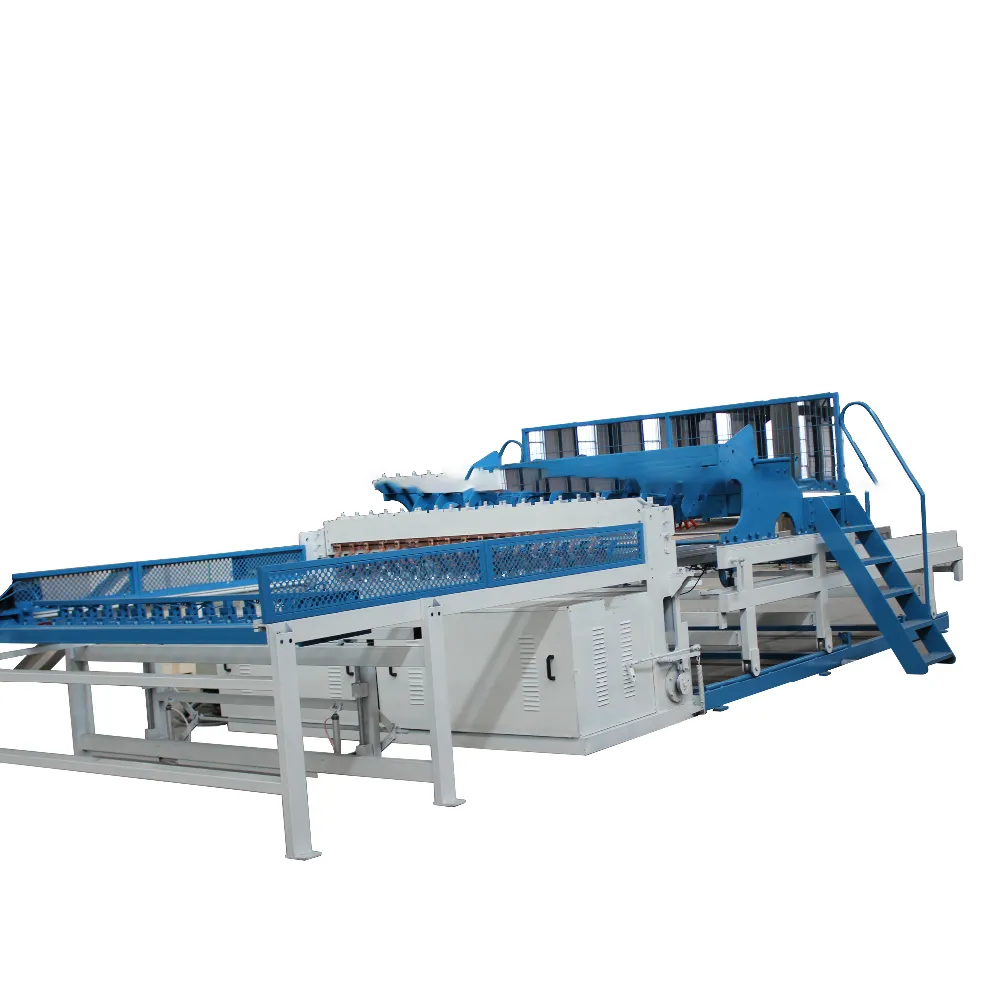
1. Wire Diameter Range and Material Compatibility
Wire diameter range is the first specification most buyers check, but the number on the spec sheet requires careful interpretation. A welded wire mesh machine rated for "3 mm to 8 mm" can weld any combination within that range — but the transformer and electrode force must be adequate for the largest diameter in both longitudinal and transverse directions simultaneously. The welding current required increases roughly with the square of wire diameter: moving from 6 mm to 8 mm rebar demands roughly 75% more current at the weld point.
Material grade also affects power requirements on a welded wire mesh machine. Galvanized wire requires roughly 10% to 15% more welding current than bare steel because the zinc coating must be displaced before the steel-to-steel weld forms. Stainless steel wire, with its higher electrical resistance, requires roughly 20% to 30% less current but demands tighter squeeze force control to avoid surface marking. A versatile welded wire mesh machine should specify its transformer rating in kVA at a given duty cycle — typically 100 to 200 kVA at 50% duty cycle for mid-range welded wire mesh machines — rather than just listing a wire diameter range without context.
2. Mesh Size Range and Grid Flexibility
Mesh size — the spacing between longitudinal and transverse wires — determines what products a welded wire mesh machine can produce. The two parameters to check are the minimum and maximum pitch in both directions, and whether pitch adjustment is continuous or stepped. Continuous adjustment through a lead screw or servo-driven positioning system allows any mesh size within the machine's range. Stepped adjustment using fixed slots or index pins limits you to specific spacings — typically 50 mm, 100 mm, 150 mm, and 200 mm.
One commonly overlooked specification is the minimum edge distance — the distance from the panel edge to the first wire. If your panels require 25 mm edge margins but the welded wire mesh machine has a minimum edge distance of 50 mm, you will either need secondary trimming or a custom fixture. Hebei Jinlongyu Import And Export Trade Co., Ltd. configures its welded wire mesh machines with adjustable edge stops that can be set as low as roughly 20 mm, a detail worth verifying during specification review.
3. Welding Speed and Actual Throughput
Rated welding speed — typically expressed in welds per minute or rows per minute — is rarely the number that matters for production planning. Actual throughput on a welded wire mesh machine is determined by welding speed minus time lost to wire loading, mesh size changeover, electrode dressing, and unplanned stops. A machine rated at 60 welds per minute may deliver an effective rate of roughly 40 to 48 welds per minute over an eight-hour shift when all downtime is accounted for.
The table below shows typical throughput ranges for different welded wire mesh machine classes.
| Machine Class | Rated Welds/Min | Effective Welds/Min (8-Hr Shift) | Typical Panels/Shift (2 m × 3 m, 150 mm Grid) |
|---|---|---|---|
| Entry-level manual feed | 30–40 | 20–28 | Roughly 150–220 |
| Mid-range semi-automatic | 50–70 | 35–55 | Roughly 280–450 |
| High-speed automatic | 80–120 | 60–95 | Roughly 500–800 |
| Fully automatic with coil feed | 100–150 | 80–120 | Roughly 650–1,000 |
When comparing speed claims from different suppliers, ask for the effective rate based on at least one full shift of documented production data, not the peak rate measured during a five-minute demonstration run.
4. Electrode Configuration and Weld Quality Control
Electrode design on a welded wire mesh machine directly affects weld consistency and maintenance frequency. The key variables are electrode material, cooling method, and individual vs. gang adjustment. Copper-chromium-zirconium electrodes provide the best balance of conductivity and wear resistance, lasting roughly 15,000 to 30,000 welds between dressings under normal conditions. Water-cooled electrodes extend this interval by roughly 30% to 50% compared to air-cooled designs and are worth the additional plumbing complexity for machines running more than roughly 50 welds per minute.
Individual electrode adjustment — where each electrode pair can be independently set for force and alignment — is critical for a welded wire mesh machine that frequently changes wire diameters. Gang adjustment, where a single mechanism sets force for all electrodes simultaneously, is faster for setup but cannot compensate for minor variations in electrode wear across the welding head. For operations running three or more wire diameter combinations per week, a welded wire mesh machine with individual electrode adjustment typically pays for itself in reduced scrap within the first year.
5. Automation Level: Manual vs Automatic Wire Feeding
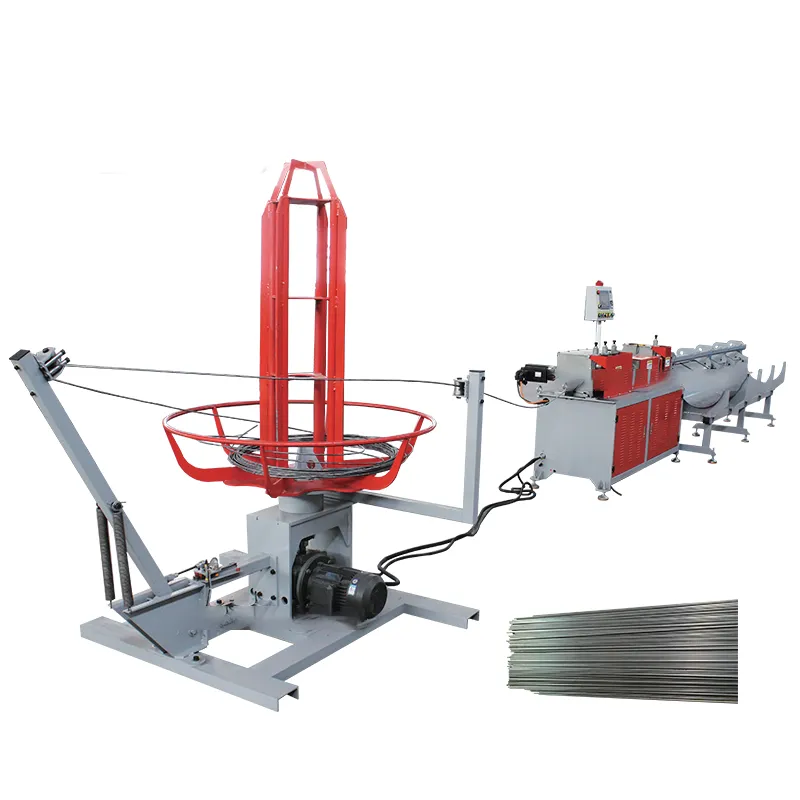
The wire feeding system on a welded wire mesh machine determines labor requirements and production consistency. Manual threading — where an operator places each longitudinal wire into the feed channels by hand — is the lowest-cost option on a welded wire mesh machine but limits throughput to roughly 150 to 300 panels per shift and introduces variability when operators change between shifts. Automatic coil-fed welded wire mesh machines use decoilers and straightening units to feed wire continuously from coils, eliminating manual wire placement and enabling consistent production at rates above roughly 400 panels per shift.
Semi-automatic welded wire mesh machines combine manual longitudinal wire threading with automatic transverse wire feeding from a straightening and cutting unit. This configuration strikes a balance — roughly 20% to 30% higher throughput than fully manual machines at roughly 50% to 60% of the cost of a fully automatic line. Jinlongyu Import & Export Trading recommends semi-automatic configurations for workshops transitioning from manual to automated production, as the learning curve is manageable and the capital outlay remains within reach for small to medium fabrication shops.
6. Control System: PLC vs Relay Logic
The control system on a welded wire mesh machine may seem like a secondary consideration, but it determines how much production data you can capture and how quickly you can diagnose faults. Relay-based control systems use electromechanical timers and contactors to sequence the welding cycle. They are robust and easy for an electrician to troubleshoot with a multimeter, but they offer no data logging and limited process control — welding current, squeeze time, and hold time are set with potentiometers that can drift over time.
PLC-based welded wire mesh machines store welding parameters for different mesh specifications in memory, log production counts and fault events, and can interface with downstream equipment like automatic stackers. A PLC-controlled machine typically costs roughly $3,000 to $6,000 more than the relay equivalent, but the ability to switch mesh specifications by loading a stored program rather than adjusting potentiometers manually saves roughly 30 to 45 minutes per changeover. For operations running more than three mesh specifications regularly, the PLC investment on a welded wire mesh machine pays back through reduced changeover time within the first 12 to 18 months.
7. Machine Frame and Build Quality Indicators
The frame of a welded wire mesh machine absorbs welding force at every cycle — roughly 1.5 to 4.0 kN per electrode, multiplied by the number of electrodes firing simultaneously. A frame that flexes under this load causes electrode misalignment, inconsistent weld pressure, and accelerated electrode wear. The two structural indicators to check are frame material thickness and welding method. A main frame constructed from 20 mm to 30 mm thick steel plate, with full-penetration welded joints and stress-relieved after fabrication, will maintain alignment through hundreds of thousands of cycles. Frames built from 10 mm to 15 mm plate with stitch-welded joints may start showing alignment drift within the first year of production.
One practical quality check: ask the supplier for the frame deflection specification under full welding load. A well-built welded wire mesh machine should show less than 0.1 mm of deflection at the outermost electrode position when all electrodes are under maximum rated force. If the supplier cannot provide this number, request a demonstration with a dial indicator mounted on the frame during a full-load weld cycle. Hebei Jinlongyu Import & Export Trading provides frame deflection specifications as part of its standard machine documentation.
8. Supplier Support and Spare Parts Availability
A welded wire mesh machine is a capital asset that should operate for 8 to 12 years. During that period, you will need replacement electrodes, electrode holders, transformer contactors, and possibly a transformer rewind. The supplier's ability to deliver spare parts quickly — and to provide remote technical support — determines how much downtime you experience over the machine's lifetime.
Key questions to ask any welded wire mesh machine supplier: How many days from order to dispatch for standard consumables (electrodes, holders, springs)? Do you stock spare transformers or can you arrange rewinding locally? Can you support troubleshooting via video call in English? What is the warranty period on the welding transformer — typically 12 to 24 months for a quality unit. The company maintains a spare parts inventory for its full range of welded wire mesh machines and ships standard consumables within roughly 3 to 5 working days to most international destinations.
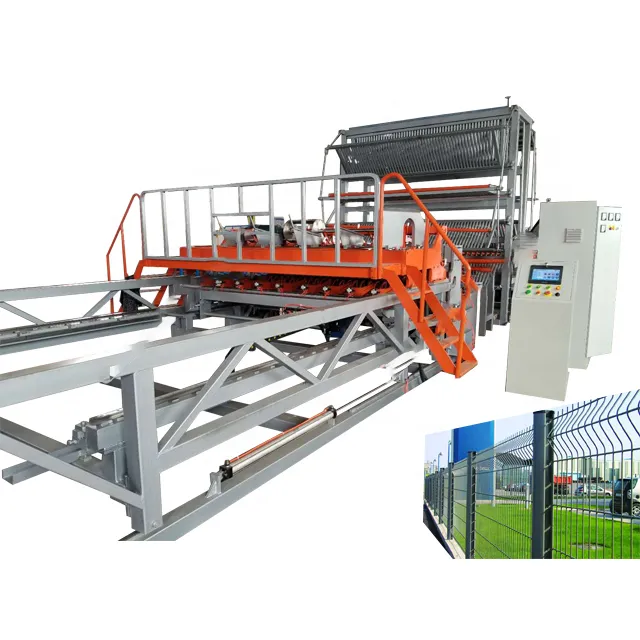
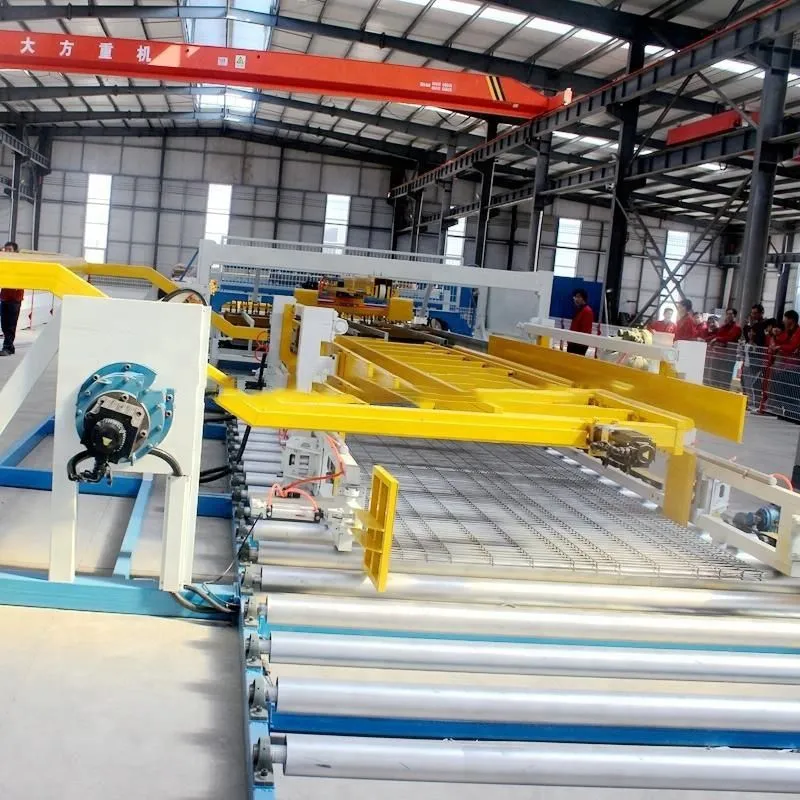
9. Frequently Asked Questions
9.1 What is the minimum order quantity for a welded wire mesh machine?
Most welded wire mesh machine manufacturers accept single-unit orders. The machine is built to specification and crated for container shipping. Custom configurations — such as non-standard mesh sizes, special electrode arrangements, or integration with existing material handling equipment — may require a longer lead time, typically 45 to 90 days depending on complexity. Standard-configuration welded wire mesh machines can often ship within 30 to 45 days. Hebei Jinlongyu Import & Export Trading handles single-unit orders as standard practice and provides estimated delivery dates at the quotation stage.
9.2 How much does it cost to ship a welded wire mesh machine internationally?
Shipping cost for a welded wire mesh machine depends on machine dimensions, weight, and destination port. A typical mid-range welded wire mesh machine weighs roughly 3 to 8 tons and fits in a 20-foot or 40-foot container. Sea freight from Tianjin Port to major ports in Southeast Asia typically costs roughly $800 to $2,000; to the Middle East roughly $1,500 to $3,500; and to South America roughly $2,500 to $5,000. These are rough estimates that vary with container availability and fuel surcharges. The company provides freight quotations from multiple shipping lines as part of its order process.
9.3 Can a welded wire mesh machine produce both panels and rolls?
Yes, many welded wire mesh machines can produce both rigid panels and flexible rolls by changing the coiling or stacking configuration at the output end. Panel production requires a flat take-off table and stacking mechanism. Roll production requires a motorized coiling mandrel that winds the finished mesh into rolls of typically 50 to 100 meters. Switching between panel and roll modes typically takes 30 to 60 minutes. This flexibility is particularly valuable for suppliers serving both the construction industry (panels) and the agricultural fencing market (rolls).
9.4 What electrical supply does a welded wire mesh machine require?
Most welded wire mesh machines require three-phase power, typically 380V to 440V at 50 Hz or 60 Hz, with a capacity of roughly 100 to 250 kVA depending on machine size and the number of simultaneous welds. Single-phase machines are available for small workshop applications but are limited to roughly 2 to 3 electrodes welding wire up to roughly 5 mm diameter. Always confirm the specific voltage, phase, and frequency requirements with the supplier before ordering, and verify that your facility's electrical infrastructure can handle the inrush current when the welding transformer energizes — typically 3 to 5 times the rated continuous current for the first few cycles.
Recently Posted
-
Hebei Jinlongyu: Full-Category Wire Mesh Machinery from China's Hebei Manufacturing Hub
August 13, 2026When a buyer searches for wire mesh machinery suppliers in China, the search results are dominated by companies clustered in one p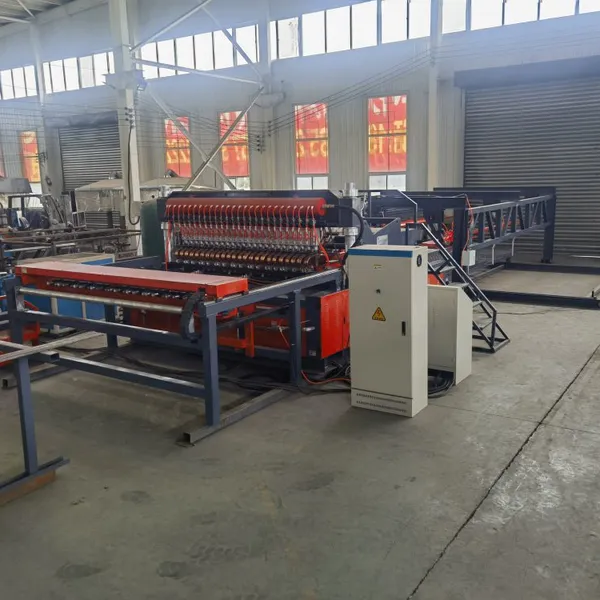 Read More
 -
Welded Wire Mesh Machine Specifications: Wire Diameter, Mesh Size, and Welding Speed Explained
August 12, 2026A fabrication shop in North Africa ordered a welded wire mesh machine in 2020 based on a single-page specification sheet listing &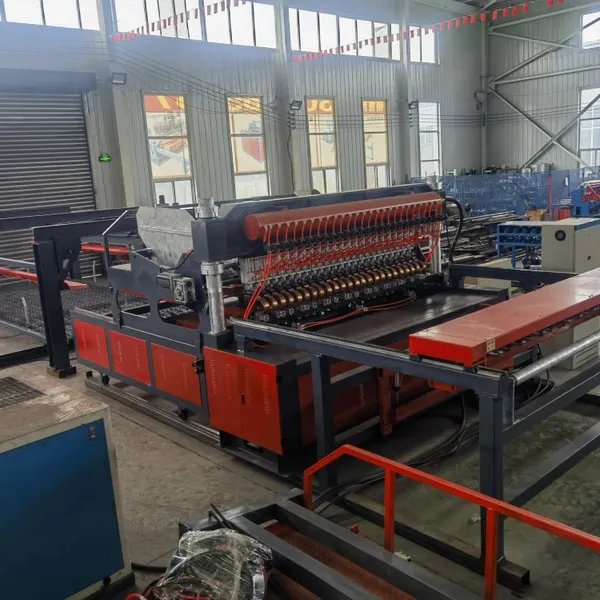 Read More
 -
Mechanical vs Pneumatic Rebar Mesh Welding Machine: Which One Fits Your Production
August 10, 2026In 2022, a rebar cage fabrication shop in Southeast Asia invested roughly $45,000 in a pneumatic rebar mesh welding machine, expec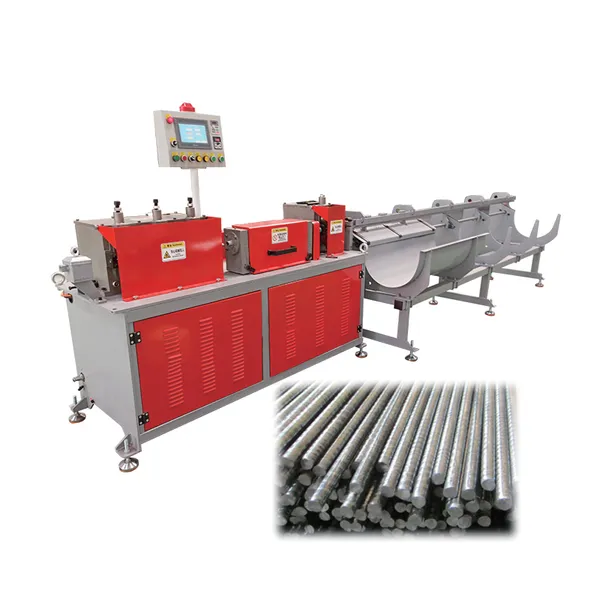 Read More
 -
What Is a Razor Wire Machine: Working Principle and Key Components
August 7, 2026In 2021, a warehouse facility in Southeast Asia spent roughly $18,000 on perimeter security fencing. Within fourteen months, secti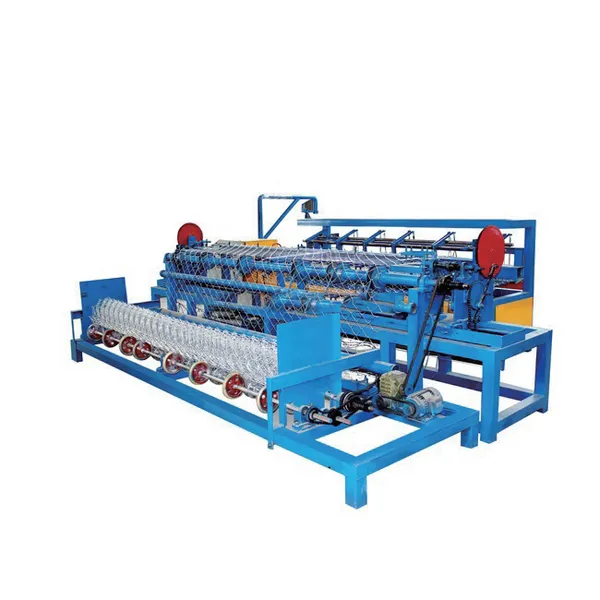 Read More

Contact Us
Recommended Products
-
 Welded Wire Panel Machine for Industrial Shelf and Partition ManufacturingNegotiableMOQ: 1 Set
 -
CNC Servo Straightening and Cutting Machine for Steel, Iron, and Stainless Steel WireNegotiableMOQ: 1 Set
-
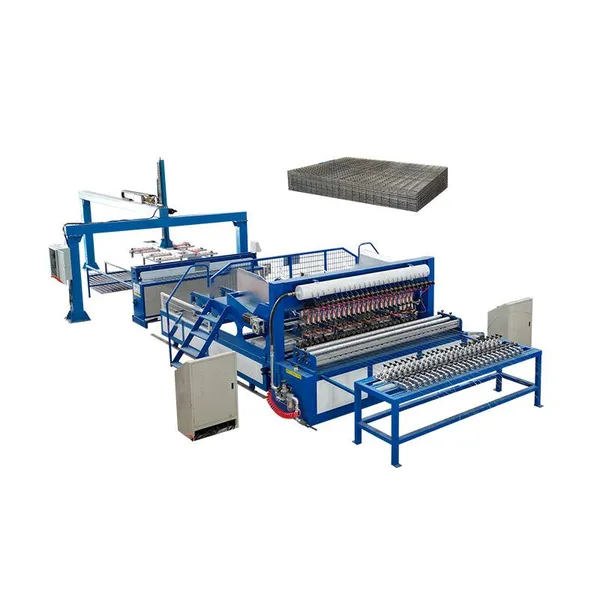
Professional Steel Panel Welded Wire Mesh Reinforcing Mesh Production LineNegotiableMOQ: 1 Set
-
Automatic Roll Welded Wire Mesh Welding Machine for Panel and Roll MeshNegotiableMOQ: 1 Set
-
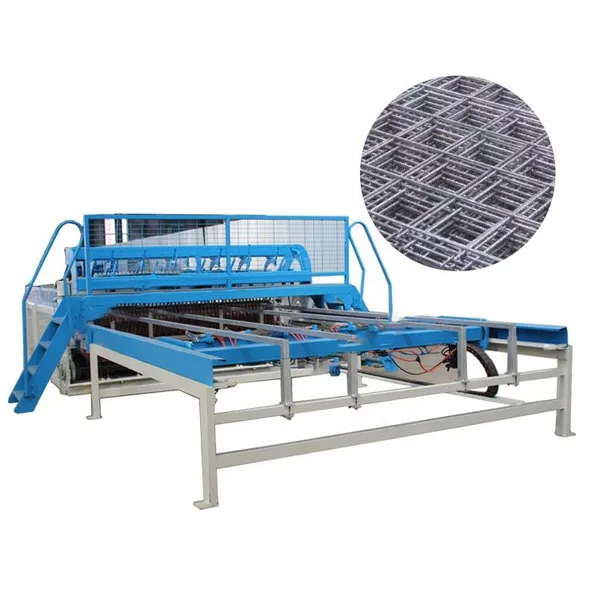
Stainless Steel Welded Wire Mesh Machine for Fencing ProductionNegotiableMOQ: 1 Set
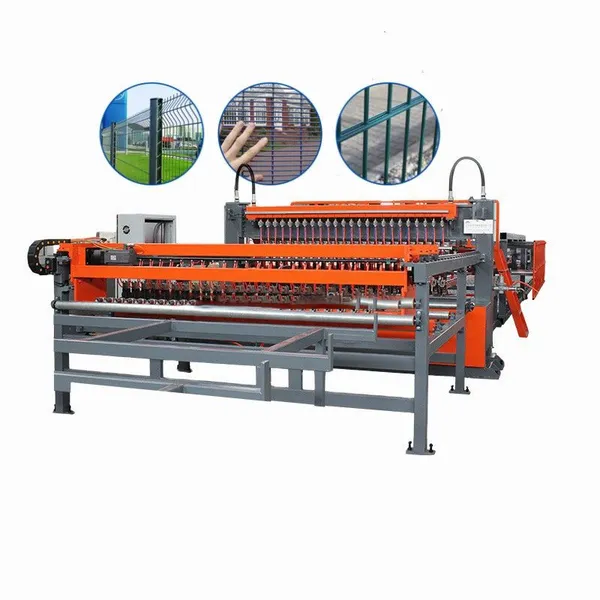
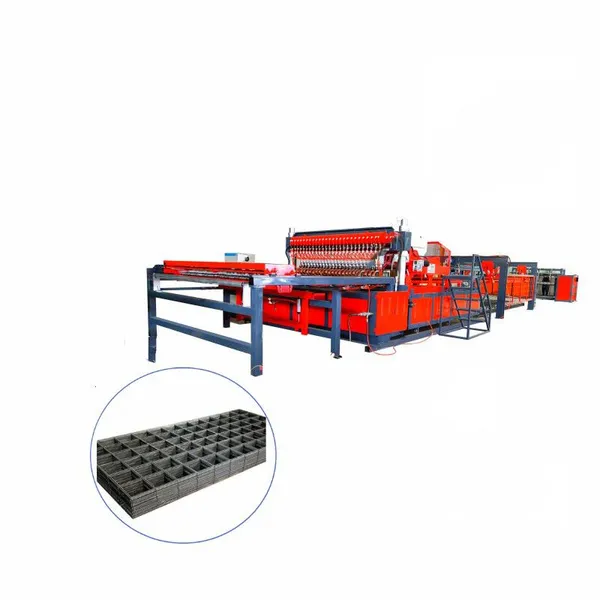
-
Full Automatic PLC Control 5-12mm Wire Mesh Fence Welding EquipmentNegotiableMOQ: 1 Set
-
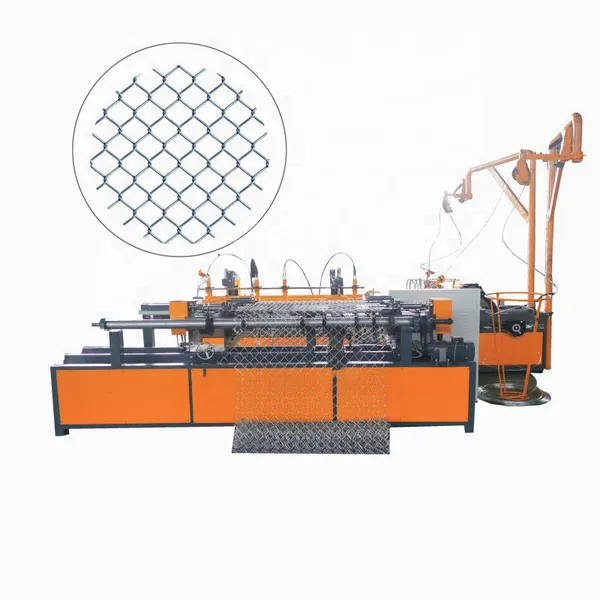
PLC Controlled Fully Automatic Chain Link Fence Machine for High-Speed ProductionNegotiableMOQ: 1 Set
-
Automatic Mechanical Steel Wire Straightening and Cutting Machine for Industrial UseNegotiableMOQ: 1 Set
-
Factory Price Galvanized Steel Wire Mesh Welding Machine Automatic Welded Mesh MachineNegotiableMOQ: 1 Set
-
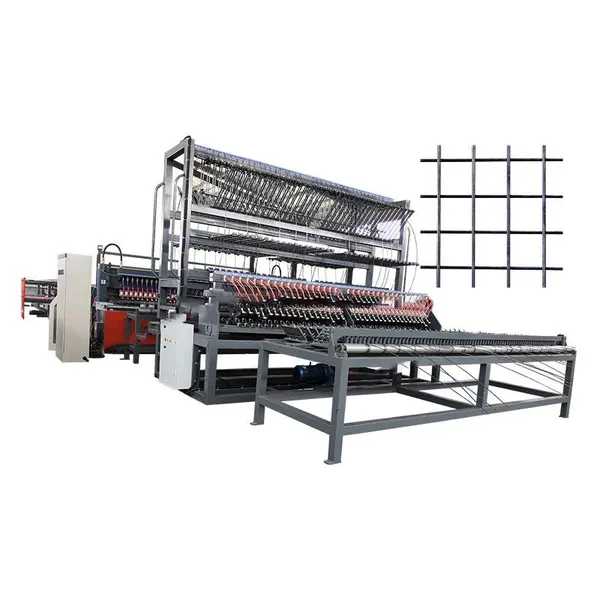
Razor Barbed Wire Making Machine/Razor Wire Fence for ProtectionNegotiableMOQ: 1 Set
-
Durable Industrial Welded Mesh Machine for Construction Fence ManufacturingNegotiableMOQ: 1 Set
-
Fence Welding Machine Bangladesh 4-Head Spot Welder 0.8-3mm Steel Wire 20KVANegotiableMOQ: 1 Unit
-
Reliable Bangladesh Fence Welding Machine Factory Direct Support Free Spare Parts KitNegotiableMOQ: 1 Unit
-
For Bangladesh Construction Site Fence Welding Machine Heavy Duty Steel Frame 12 Months WarrantyNegotiableMOQ: 1 Unit
-
Bangladesh Farm Fence Welding Machine Durable for Outdoor Perimeter Fencing 1 Year ServiceNegotiableMOQ: 1 Unit
-
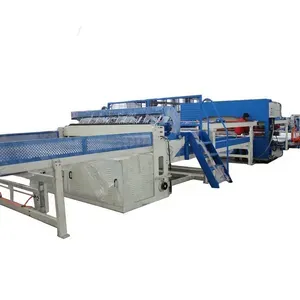
Bangladesh Fence Panel Welder 2000x3000mm Capacity 30-50 Welds/Minute 380VNegotiableMOQ: 1 Unit
-
220V Semi-Auto Fence Welder for Bangladesh 2-6mm Wire Diameter PLC ControlNegotiableMOQ: 1 Unit
-
Bangladesh Fence Welding Machine 380V 3-Phase Automatic Wire Feeder 50-100 M/Min SpeedNegotiableMOQ: 1 Unit
-
Bangladesh Fence Mesh Welding Machine 1500mm Width Servo Motor Driven 60HzNegotiableMOQ: 1 Unit
-
Bangladesh Fence Welder With 2-Year Warranty On-Site Training Available 220V/380VNegotiableMOQ: 1 Unit

